

Make the Right Decision for Your Existing Tanks
Make informed decisions about your existing tanks based on real condition data – not assumptions.
Therefore, our retrofit approach helps you evaluate whether continued operation, repair, modernization, or replacement is the right option for your installation. In addition, by combining inspection, engineering assessment, and targeted technical measures, we support operators in extending service life, improving operational reliability, and planning investments with greater confidence.
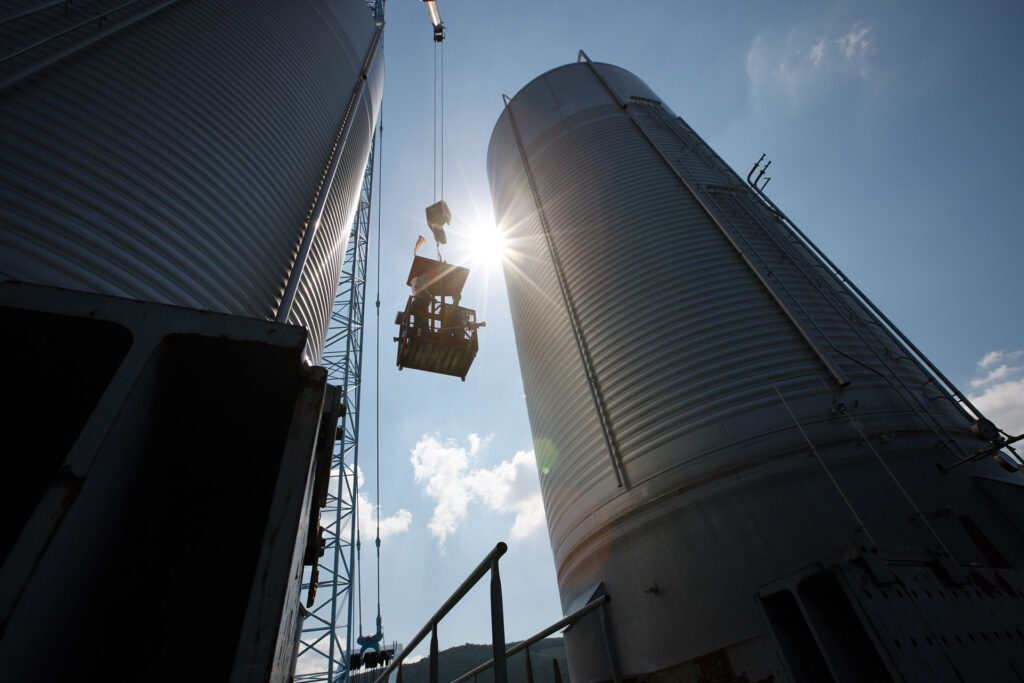
Why Existing Tanks Require Attention
Typical challenges:
- Corrosion (internal and external)
- Deformation due to pressure or temperature
- Damage to insulation or connections
- Changed operating conditions
- Missing or incomplete documentation
Continue Operation, Replace or Retrofit?
However, operators are often faced with uncertain decisions:
- Is continued operation still safe?
- Is a full replacement really necessary?
- Which measures are technically and economically justified?
From Uncertainty to Reliable Decisions
Therefore, our retrofit approach creates transparency and a reliable basis for decision-making.
Key benefits:
- Clear understanding of actual equipment condition
- Engineering-based evaluation instead of assumptions
- Identification of targeted measures
- Ability to prioritize investments

Our Structured Retrofit Approach
To achieve this, we follow a systematic process from analysis to implementation:
1. Analysis
First, we capture the actual condition of the tank.
- Geometric survey (e.g. 3D scanning)
- Material identification
- Wall thickness and corrosion analysis
- Internal inspection
2. Evaluation
Next, we perform an engineering-based assessment of the current condition.
- Structural calculations
- Assessment according to applicable standards
- Identification of critical weaknesses
3. Implementation
Based on the evaluation results, we then define targeted technical measures.
- Repairs of damaged areas
- Mechanical modifications
- Adaptations to new operating conditions
4. Documentation & Compliance
Finally, we provide complete technical documentation and verification.
- Updated documentation
- Compliance checks
- Basis for future operation and planning

What Do You Want to Achieve?
In practice, retrofit projects are driven by specific operational goals:
- Extend service life of existing tanks
- Improve operational safety and reliability
- Avoid or postpone new investments
- Adapt tanks to new process requirements
- Improve process stability
- Restore structural integrity and surface quality
Typical Retrofit Measures
Depending on the condition and objectives, retrofit measures may therefore include:
- Installation of additional nozzles
- Repair or replacement of components
- Renewal of insulation and cladding
- Surface treatment (e.g. pickling, electropolishing)
- Adaptation to new load or process requirements
- Modifications, such as changing the coolant from ammonia to glycol
Integrated Retrofit Expertise
- Combined expertise in tank design, engineering, and operation
- Ability to assess complex existing installations
- Experience with international standards (e.g. PED, AD2000, ASME)
- Execution and engineering from a single source
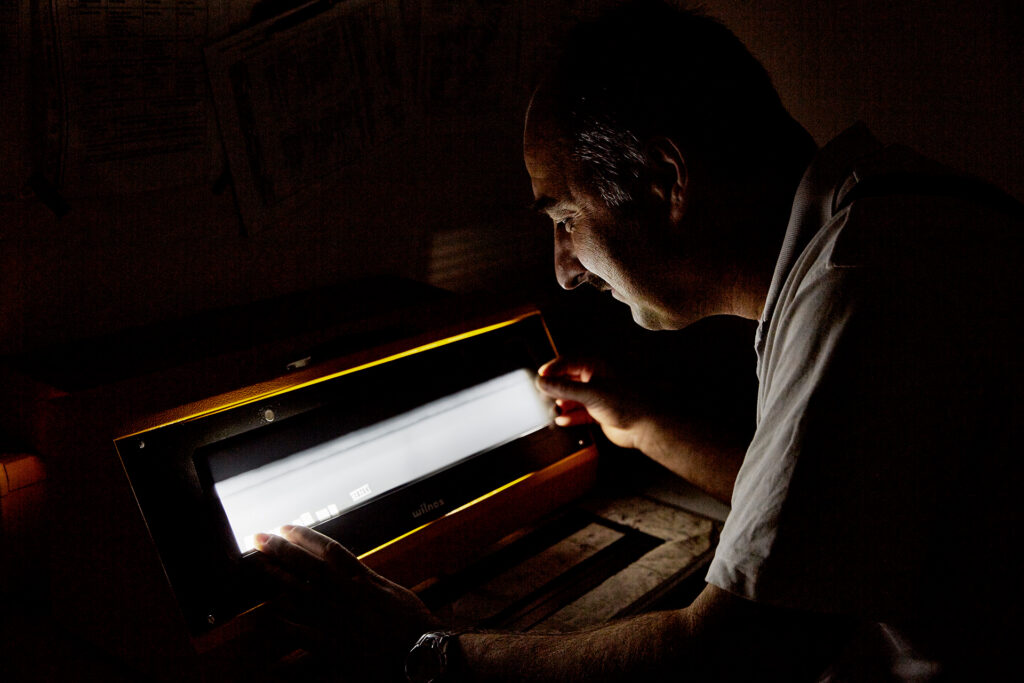

Evaluate Your Existing Tanks
Gain transparency on the condition of your tanks and make reliable decisions for future operation.